Entry · Ref XW72HOY_
What to review before your clinic or salon visit
- Posted
- 2026-11-23
- Last amended
- 2026-11-23
- Account
- @thebeautyedit
Why a pre-treatment check matters
Walking into a clinic or salon for a treatment can feel straightforward, but a few minutes of preparation can make the difference between a smooth experience and a wasted trip. Many people assume that the professional will handle everything, and in many ways they do, but you have a part to play too. A short pre-appointment review helps you arrive informed, ready to discuss your needs, and less likely to face a last-minute cancellation because of something you could have flagged earlier. This article covers the main points to consider before you go, so your consultation is productive and safe.
Know your medical history and current health
Every treatment, whether it is a facial, a laser session, or an injectable, relies on your medical background. Before you book, take a moment to recall any conditions you have, medications you take regularly, and any allergies. For example, blood-thinning medication can affect how your skin reacts to certain procedures, and some skin conditions may be a contraindication for specific treatments. You do not need to become a medical expert overnight, but having a clear summary ready helps the practitioner assess your suitability quickly. If you are unsure about something, note it down and ask during the consultation. Being honest about your health protects you and helps the clinician plan a safe approach.
Check for common contraindications
Contraindications are factors that make a particular treatment unsuitable or risky. They vary by procedure, but some appear frequently. Pregnancy or breastfeeding rules out many aesthetic treatments. Active skin infections, cold sores, or recent sunburn can also mean you need to postpone. If you have had a similar treatment before and reacted badly, mention it. Some clinics ask you to fill out a form in advance, but you can also check their website or call ahead. Knowing these points before you arrive saves time and avoids disappointment. If you are unsure whether something applies to you, err on the side of caution and discuss it beforehand.
Understand the treatment and its risks
It is easy to assume you know what a treatment involves because you have seen it online or heard about it from a friend. But every procedure has its own risks, recovery time, and aftercare needs. Before your appointment, read through the information the clinic provides. Look for details about what happens during the session, how long it takes, what side effects are possible, and what results you can realistically expect. This is also the time to ask yourself whether you have any concerns about pain, downtime, or cost. A good consultation will cover these points, but coming prepared with your own questions makes the conversation more focused. The practitioner can then address your specific worries rather than giving a generic overview.
Review the clinic's hygiene and safety practices
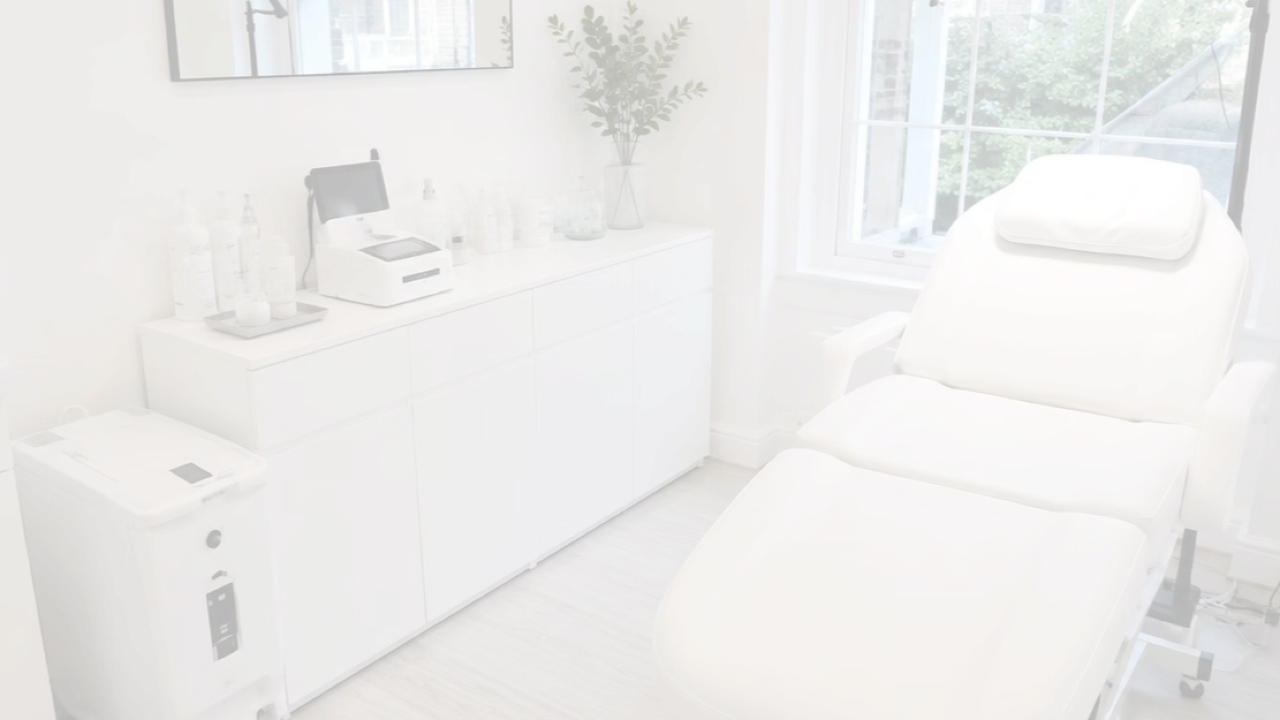
Hygiene is non-negotiable in any clinical or salon setting. Before your visit, check the clinic's reputation for cleanliness. You can often find this information on their website, through reviews, or by calling. Look for signs that they follow proper sterilisation procedures, use single-use needles where applicable, and maintain a clean environment. If you are visiting a new clinic, do not hesitate to ask about their hygiene protocols during the consultation. A professional establishment will be happy to explain their practices. Feeling confident about the cleanliness of the space and the equipment puts your mind at ease and reduces the risk of infection.
Prepare your questions for the consultation
A consultation is a two-way conversation. You are there to learn, but the practitioner also needs to understand your goals and concerns. Write down any questions you have before you go. Common ones include: How many sessions will I need? What is the recovery time? Are there any activities I should avoid afterward? What happens if I am not happy with the result? Having these written down means you will not forget them in the moment. It also shows the practitioner that you are serious about your care. A thorough consultation builds trust and helps you make an informed decision about whether to proceed.
Know what to expect during the consultation itself
The consultation is not just a chat. It typically includes a review of your medical history, a discussion of your goals, a physical assessment of the area to be treated, and an explanation of the procedure and its risks. The practitioner should also talk about aftercare and what to do if you have any problems afterward. This is your opportunity to give informed consent, so make sure you understand everything before signing anything. If something is unclear, ask for clarification. A reputable clinic will never rush you through this process. They want you to feel comfortable and fully informed.

Plan for aftercare and follow-up appointments
Aftercare instructions are not an afterthought. They are a critical part of the treatment plan. Before you leave the clinic, make sure you know exactly what to do once you are home. This might include avoiding sun exposure, not touching the treated area, applying specific creams, or scheduling a follow-up appointment. Write down the instructions or ask for a printed copy. Some treatments require multiple sessions spaced weeks apart, so check the schedule and mark your calendar. Planning ahead means you are less likely to miss a follow-up or forget a key step. Good aftercare improves results and reduces the risk of complications.
Use reliable sources to find clinics and practitioners
Finding a trustworthy clinic or practitioner is the foundation of a safe treatment experience. Online directories can help you compare options and read reviews from other clients. A resource like Aestheticdirectory provides a curated list of clinics and salons in the UK, making it easier to find professionals who meet your needs. The directory focuses on aesthetic treatments, beauty salons, skincare specialists, and training providers, so you can search with confidence. Using a directory saves time and gives you a starting point for your research. Always follow up by checking the clinic's own website and any professional accreditations they hold.
Trust your instincts
Finally, listen to your gut. If something feels off during the consultation, whether it is the atmosphere, the practitioner's attitude, or the information you are given, you have every right to walk away. A safe treatment consultation should leave you feeling informed, respected, and comfortable with your decision. Do not let pressure or a sense of obligation push you into a treatment you are not sure about. It is better to wait and find another provider than to proceed with doubts. Your safety and satisfaction are worth taking the time to get right.
By running through these points before your appointment, you set yourself up for a positive experience. You arrive prepared, you ask the right questions, and you leave with a clear understanding of what comes next. A little preparation goes a long way in making your clinic or salon visit a safe and successful one. For those looking to explore options, Aestheticdirectory offers a helpful starting point to find qualified professionals in your area.